 One of the things that couples most look forward to as they get older is spending their retirement years together. Retirement can also be a time to travel and spend time visiting family and loved ones. Staying happy during retirement years will depend in large part on having made good financial decisions towards a joint retirement plan, so that there is enough money to support the retirement lifestyle they want.
Unfortunately, retirement accounts are designed for individuals, so there’s no such thing as a joint IRA account or joint 401(k) account. Instead, you’ll need to come up with a joint...
One of the things that couples most look forward to as they get older is spending their retirement years together. Retirement can also be a time to travel and spend time visiting family and loved ones. Staying happy during retirement years will depend in large part on having made good financial decisions towards a joint retirement plan, so that there is enough money to support the retirement lifestyle they want.
Unfortunately, retirement accounts are designed for individuals, so there’s no such thing as a joint IRA account or joint 401(k) account. Instead, you’ll need to come up with a joint... Articles Tagged ‘retirement’
Advice on How to Stay Happy Together With a Joint Retirement Plan
One of the things that couples most look forward to as they get older is spending their retirement years together. Retirement can also be a time to travel and spend time visiting family and loved ones. Staying happy during retirement years will depend in large part on having made good financial decisions towards a joint retirement plan, so that there is enough money to support the retirement lifestyle they want.
Unfortunately, retirement accounts are designed for individuals, so there’s no such thing as a joint IRA account or joint 401(k) account. Instead, you’ll need to come up with a joint...
Thursday, June 21st, 2012
One of the things that couples most look forward to as they get older is spending their retirement years together. Retirement can also be a time to travel and spend time visiting family and loved ones. Staying happy during retirement years will depend in large part on having made good financial decisions towards a joint retirement plan, so that there is enough money to support the retirement lifestyle they want.
Unfortunately, retirement accounts are designed for individuals, so there’s no such thing as a joint IRA account or joint 401(k) account. Instead, you’ll need to come up with a joint... Use 2011 to Get Your Retirement Back on Track
 Every year that passes draws that time of retirement a little closer. The tighter the budget and the tougher the economy, the farther down the importance of retirement planning falls. Many people find that they have waited too long to secure their retirement finances.
There is no more time to waste. The little changes you make right now can add up to the tomorrow that you have dreamed about. No matter where you are in your journey, starting now will help you get to that place where your retirement plans are back on track.
Here is some advice you can use...
Every year that passes draws that time of retirement a little closer. The tighter the budget and the tougher the economy, the farther down the importance of retirement planning falls. Many people find that they have waited too long to secure their retirement finances.
There is no more time to waste. The little changes you make right now can add up to the tomorrow that you have dreamed about. No matter where you are in your journey, starting now will help you get to that place where your retirement plans are back on track.
Here is some advice you can use...
Friday, February 11th, 2011
Every year that passes draws that time of retirement a little closer. The tighter the budget and the tougher the economy, the farther down the importance of retirement planning falls. Many people find that they have waited too long to secure their retirement finances.
There is no more time to waste. The little changes you make right now can add up to the tomorrow that you have dreamed about. No matter where you are in your journey, starting now will help you get to that place where your retirement plans are back on track.
Here is some advice you can use... Smart Advice for Building Retirement Funds
 The time to start investing in your retirement future is right now. The path to that investing can take a number of different forms. The more avenues you discover, the sooner you will meet the financial goals that you have set for your retirement.
Finding the right avenue for building your retirement funds can be a challenge. Each journey is unique and the tips and suggestions that can be found have to be molded to meet the needs of that individual path. Retirement means different things to different people. Having a plan for your retirement will help you get off...
The time to start investing in your retirement future is right now. The path to that investing can take a number of different forms. The more avenues you discover, the sooner you will meet the financial goals that you have set for your retirement.
Finding the right avenue for building your retirement funds can be a challenge. Each journey is unique and the tips and suggestions that can be found have to be molded to meet the needs of that individual path. Retirement means different things to different people. Having a plan for your retirement will help you get off...
Friday, February 4th, 2011
The time to start investing in your retirement future is right now. The path to that investing can take a number of different forms. The more avenues you discover, the sooner you will meet the financial goals that you have set for your retirement.
Finding the right avenue for building your retirement funds can be a challenge. Each journey is unique and the tips and suggestions that can be found have to be molded to meet the needs of that individual path. Retirement means different things to different people. Having a plan for your retirement will help you get off... Working After Retirement
 The idea of retiring started with the modern society. Before things become so civilized, people worked until they died. Now people work until they can create enough income to sit back and enjoy life. Retirement has become a major life goal.
Many people discover that once retirement has lost its novelty, the desire to get back to work sets in. Volunteer work may be the path that some retirees choose to release the excess energy. Others decide that now is the time to follow that dream that has been had for more years than they can remember.
The key to enjoying...
The idea of retiring started with the modern society. Before things become so civilized, people worked until they died. Now people work until they can create enough income to sit back and enjoy life. Retirement has become a major life goal.
Many people discover that once retirement has lost its novelty, the desire to get back to work sets in. Volunteer work may be the path that some retirees choose to release the excess energy. Others decide that now is the time to follow that dream that has been had for more years than they can remember.
The key to enjoying...
Monday, January 31st, 2011
The idea of retiring started with the modern society. Before things become so civilized, people worked until they died. Now people work until they can create enough income to sit back and enjoy life. Retirement has become a major life goal.
Many people discover that once retirement has lost its novelty, the desire to get back to work sets in. Volunteer work may be the path that some retirees choose to release the excess energy. Others decide that now is the time to follow that dream that has been had for more years than they can remember.
The key to enjoying... Save For Retirement When You Are Young
 If you're in your 20s or 30s, retirement is probably the last thing on your mind. After all, how can you save money for a date far in the future when you have other pressing priorities, such as getting out of debt and maybe saving for the down payment on a house?
But if you had any idea how lucky you are to have so much time on your side, you'd take the retirement issue more seriously. Consider this: Let's say you want to retire at age 65 with a million dollars. If you start saving at age 20,...
If you're in your 20s or 30s, retirement is probably the last thing on your mind. After all, how can you save money for a date far in the future when you have other pressing priorities, such as getting out of debt and maybe saving for the down payment on a house?
But if you had any idea how lucky you are to have so much time on your side, you'd take the retirement issue more seriously. Consider this: Let's say you want to retire at age 65 with a million dollars. If you start saving at age 20,...
Friday, March 26th, 2010
If you're in your 20s or 30s, retirement is probably the last thing on your mind. After all, how can you save money for a date far in the future when you have other pressing priorities, such as getting out of debt and maybe saving for the down payment on a house?
But if you had any idea how lucky you are to have so much time on your side, you'd take the retirement issue more seriously. Consider this: Let's say you want to retire at age 65 with a million dollars. If you start saving at age 20,... Retirement Strategies
 The current financial environment has many people nearing retirement age wondering if they’ll even be able to retire. They wonder if it might be best to continue working to make and save as much as they can until the economy improves. The following are strategies and advice for retiring in bad times you may want to consider.
Be aware that the first five years of retirement are the most important. The first five years may very well determine how much money a retiree has available to them, especially when economic times are questionable.
The current financial environment has many people nearing retirement age wondering if they’ll even be able to retire. They wonder if it might be best to continue working to make and save as much as they can until the economy improves. The following are strategies and advice for retiring in bad times you may want to consider.
Be aware that the first five years of retirement are the most important. The first five years may very well determine how much money a retiree has available to them, especially when economic times are questionable.
Get help. If you don’t already have a...
Tuesday, March 9th, 2010
The current financial environment has many people nearing retirement age wondering if they’ll even be able to retire. They wonder if it might be best to continue working to make and save as much as they can until the economy improves. The following are strategies and advice for retiring in bad times you may want to consider.
Be aware that the first five years of retirement are the most important. The first five years may very well determine how much money a retiree has available to them, especially when economic times are questionable.
Retirement Financial Considerations
 Financial independence is just as important as physical independence. While you need to take steps to ensure that you are able to take care of your physical needs, the same goes for your money. Here is some advice to staying financially independent during your retirement years.
There are many things that can happen in life that can rock our financial world. Even if you have a cushion built up, nothing is for certain. Just ask those who invested with the stock market or other investors before the financial crisis erupted. What you can protect is your good name and financial...
Financial independence is just as important as physical independence. While you need to take steps to ensure that you are able to take care of your physical needs, the same goes for your money. Here is some advice to staying financially independent during your retirement years.
There are many things that can happen in life that can rock our financial world. Even if you have a cushion built up, nothing is for certain. Just ask those who invested with the stock market or other investors before the financial crisis erupted. What you can protect is your good name and financial...
Sunday, March 7th, 2010
Financial independence is just as important as physical independence. While you need to take steps to ensure that you are able to take care of your physical needs, the same goes for your money. Here is some advice to staying financially independent during your retirement years.
There are many things that can happen in life that can rock our financial world. Even if you have a cushion built up, nothing is for certain. Just ask those who invested with the stock market or other investors before the financial crisis erupted. What you can protect is your good name and financial... Retirement and Long Term Care
 Long-term care isn't a subject that we generally enjoy talking about. It's difficult to even think about the possibility that we and the ones we love might need someone to look after us in our golden years. But as life expectancy continues to rise, so do the chances that we will require long-term care one day.
Long-term care takes a number of different forms. It's not limited to stays in nursing homes (although that's a significant component). Sometimes the elderly can do most things for themselves, but need help with certain activities such as bathing, housekeeping or medical needs. These needs...
Long-term care isn't a subject that we generally enjoy talking about. It's difficult to even think about the possibility that we and the ones we love might need someone to look after us in our golden years. But as life expectancy continues to rise, so do the chances that we will require long-term care one day.
Long-term care takes a number of different forms. It's not limited to stays in nursing homes (although that's a significant component). Sometimes the elderly can do most things for themselves, but need help with certain activities such as bathing, housekeeping or medical needs. These needs...
Thursday, August 27th, 2009
Long-term care isn't a subject that we generally enjoy talking about. It's difficult to even think about the possibility that we and the ones we love might need someone to look after us in our golden years. But as life expectancy continues to rise, so do the chances that we will require long-term care one day.
Long-term care takes a number of different forms. It's not limited to stays in nursing homes (although that's a significant component). Sometimes the elderly can do most things for themselves, but need help with certain activities such as bathing, housekeeping or medical needs. These needs... A Retirement Check-up
 As the economy has worsened, not only have retirement funds dropped in value with the market, but also many people have been tempted to tap savings as a way to cut debt or otherwise shore up their finances after a job loss. Still more have found that employers have dropped matching contributions to shore up their own finances.
Worry about retirement seems to be widespread. A January survey by the National Institute on Retirement Security noted that 83 percent of Americans are concerned about their ability to retire.
Yet the worst thing you can do is tap or give up...
As the economy has worsened, not only have retirement funds dropped in value with the market, but also many people have been tempted to tap savings as a way to cut debt or otherwise shore up their finances after a job loss. Still more have found that employers have dropped matching contributions to shore up their own finances.
Worry about retirement seems to be widespread. A January survey by the National Institute on Retirement Security noted that 83 percent of Americans are concerned about their ability to retire.
Yet the worst thing you can do is tap or give up...
Wednesday, June 24th, 2009
As the economy has worsened, not only have retirement funds dropped in value with the market, but also many people have been tempted to tap savings as a way to cut debt or otherwise shore up their finances after a job loss. Still more have found that employers have dropped matching contributions to shore up their own finances.
Worry about retirement seems to be widespread. A January survey by the National Institute on Retirement Security noted that 83 percent of Americans are concerned about their ability to retire.
Yet the worst thing you can do is tap or give up... Can You Afford to Retire Now?
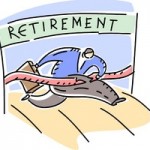 This is a question plaguing many baby boomers today. For those on the cusp of retiring, statistics show they plan on working longer. For those who have decided to retire, the decision may carry long-term consequences.
If you have a 401K plan, the maximum annual contribution you can make in 2009 is $16,500. However, if you are over the age of 50 you can contribute a total of $22,000.
If you have an IRA, you can contribute up to $5,000, and for individuals 50 years or older, another $1,000 can be added.
The problem with retiring now...
This is a question plaguing many baby boomers today. For those on the cusp of retiring, statistics show they plan on working longer. For those who have decided to retire, the decision may carry long-term consequences.
If you have a 401K plan, the maximum annual contribution you can make in 2009 is $16,500. However, if you are over the age of 50 you can contribute a total of $22,000.
If you have an IRA, you can contribute up to $5,000, and for individuals 50 years or older, another $1,000 can be added.
The problem with retiring now...
Tuesday, May 19th, 2009
This is a question plaguing many baby boomers today. For those on the cusp of retiring, statistics show they plan on working longer. For those who have decided to retire, the decision may carry long-term consequences.
If you have a 401K plan, the maximum annual contribution you can make in 2009 is $16,500. However, if you are over the age of 50 you can contribute a total of $22,000.
If you have an IRA, you can contribute up to $5,000, and for individuals 50 years or older, another $1,000 can be added.
The problem with retiring now... 


 Loading ...